In the middle of an important project to commission the second SAG Mill Primary Knelson Concentrator at Fosterville Mine in Australia, the team was faced with challenges they never expected, but by leveraging an innovative new technology, they were able to successfully complete the project.
Due to the global impact of the COVID-19 pandemic and border restrictions, limitations to standard approaches in fault-finding and commissioning forced the team to think outside the box and adopt new ideas to keep employees safe and projects on target. To bring the new concentrator online, the commissioning team was heavily reliant on engineers who were not able to travel to the mine site to assist. To help facilitate this important work a set of Microsoft HoloLens smartglasses was secured.
Using holograms displayed on the screen of the glasses, the commissioning team were able to communicate directly with engineers on the other side of the country and action their requirements. The Microsoft HoloLens smartglasses are game changers in how mine sites can engage with others in the field; enabling a quick and efficient means to improve productivity.
Training in an operational mining environment can present some challenges for both the mine operation and the trainees, such as availability of equipment to train numerous people, impact on regular operations during training periods and sometimes challenging work conditions (heat, seismicity, mine depth and restrictions related to the pandemic). Creating an alternate “reality” in which these challenges do not exist offers much more flexibility and training opportunities.
Collaborating with the Val-d’Or Professional Training Centre, the training team at the LaRonde Complex updated its training methods to integrate new innovative technologies and address some of these training challenges, while increasing accessibility to training, and improving learning retention as well as engagement and interest of trainees.
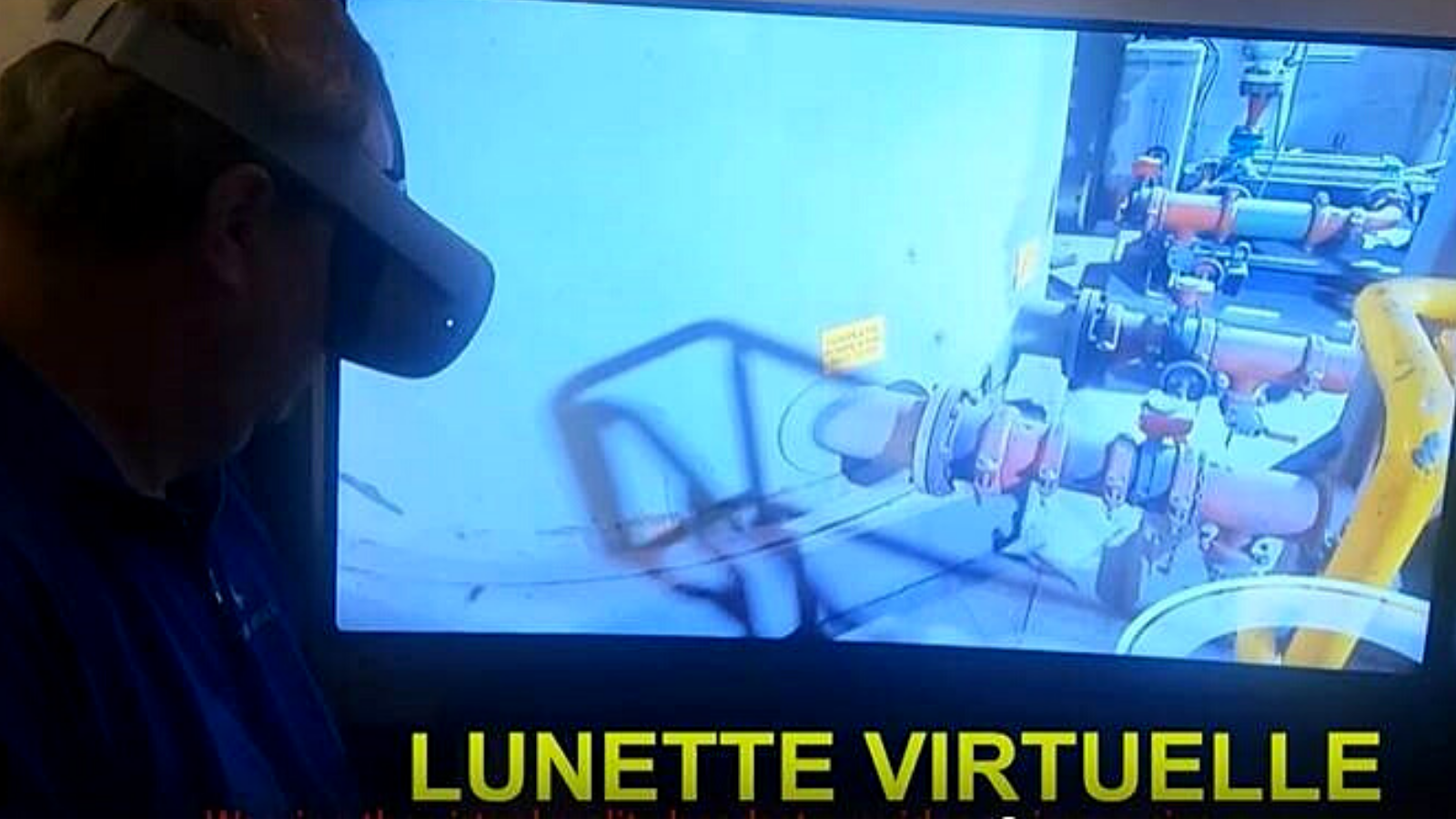
The team undertook a 3D digitization of the mining facilities, both underground and at surface to virtually reflect the exact environment of the workplace. Using the Matterport platform and virtual reality headset, they were able to offer an immersive and hyper-realistic learning experience to trainees without them leaving the comfort of the classroom or their home. The trainees can navigate freely in the virtual environment and interact by clicking on different elements to access information, videos or animations, for example, on pieces of equipment or work procedures.
In 2021, all trainings provided to new workers at the mill were conducted in virtual reality. Additionally, 36 new workers and interns have completed their Mine Worker Modular Training program for underground work remotely, and the mine department recovered 20 hours of operation per scoop over a two-month period.
The Company is currently testing other virtual technologies to continue optimizing training methods, expanding opportunities, and improving accessibility, retention, and attraction.