At our Meliadine mine in Nunavut, employees are finding creative ways to lower their environmental footprint.
Meliadine Goes Greener was born out of concern for the amount of waste generated at camp, notably food and kitchen waste. With COVID-19 hygiene protocols requiring the extensive use of plastic containers and individual wrappers, the Meliadine Goes Greener employee committee introduced a number of green initiatives. They replaced individual salt and pepper packets with re-usable shakers; replaced individual condiment packets with bulk containers; and employed staff to serve salads, desserts and side dishes behind a counter rather than offering self-serve items in plastic single-use containers.
The most impactful initiative was removing disposable coffee cups on site. A communication campaign notified employees that disposable cups would no longer be offered on site as of August 15th and instead, employees would receive a re-usable travel mug. Every day since then, Meliadine has saved 2,850 disposable coffee cups and 2,000 disposable coffee cup lids from being used and sent to the on-site incinerator. On an annual basis, that translates into approximately 1.04 million cups and 730,000 lids per year.
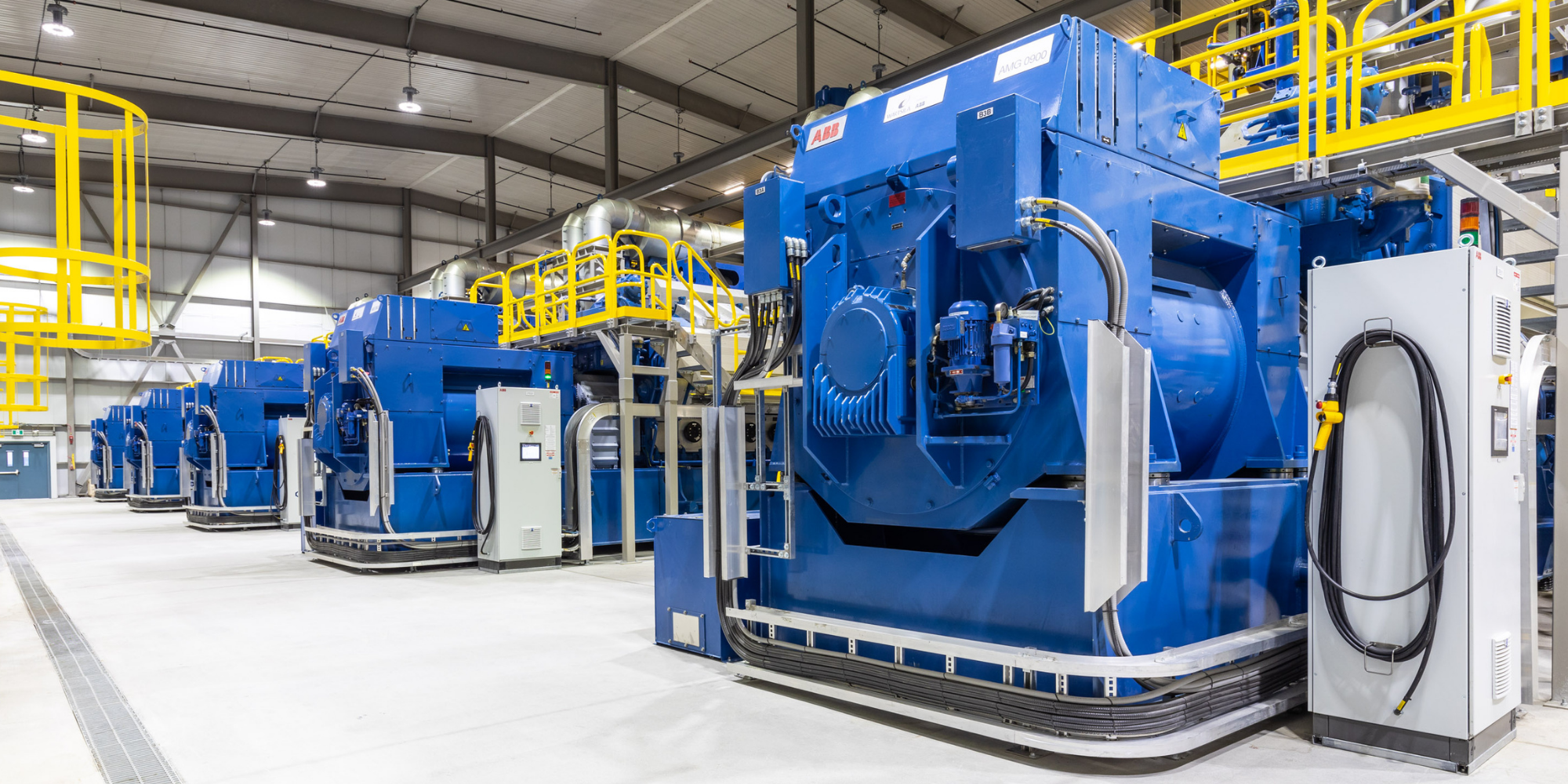
Energy Efficiency: Heat Recovery The Arctic climate and remote location means Meliadine must be very energy efficient, cleverly using and re-using [recycling] the energy it produces onsite. For example, Meliadine’s ultra-efficient generators produce power to run the process plant and other facilities. To maximize the efficiency of the system, the heat in the exhaust from these generators is recovered through a heat exchange system and in turn, it is used to heat all camp wings, corridors, common areas and the multi-service building where the maintenance shop and most offices are located. Re-using this energy means wasting and consuming less energy from the start.
Clean-up Sundays is all about taking pride in your living and working environment. Each Sunday, Meliadine employees take an hour out of their day to keep their assigned area – be it the process plant, maintenance shop or the living accommodations – clean and free of garbage. This includes outside areas as well as the whole footprint of our site. With up to 700 people working and living on site at any given time, keeping a clean, safe and healthy work environment and respect of the land is a key priority.